

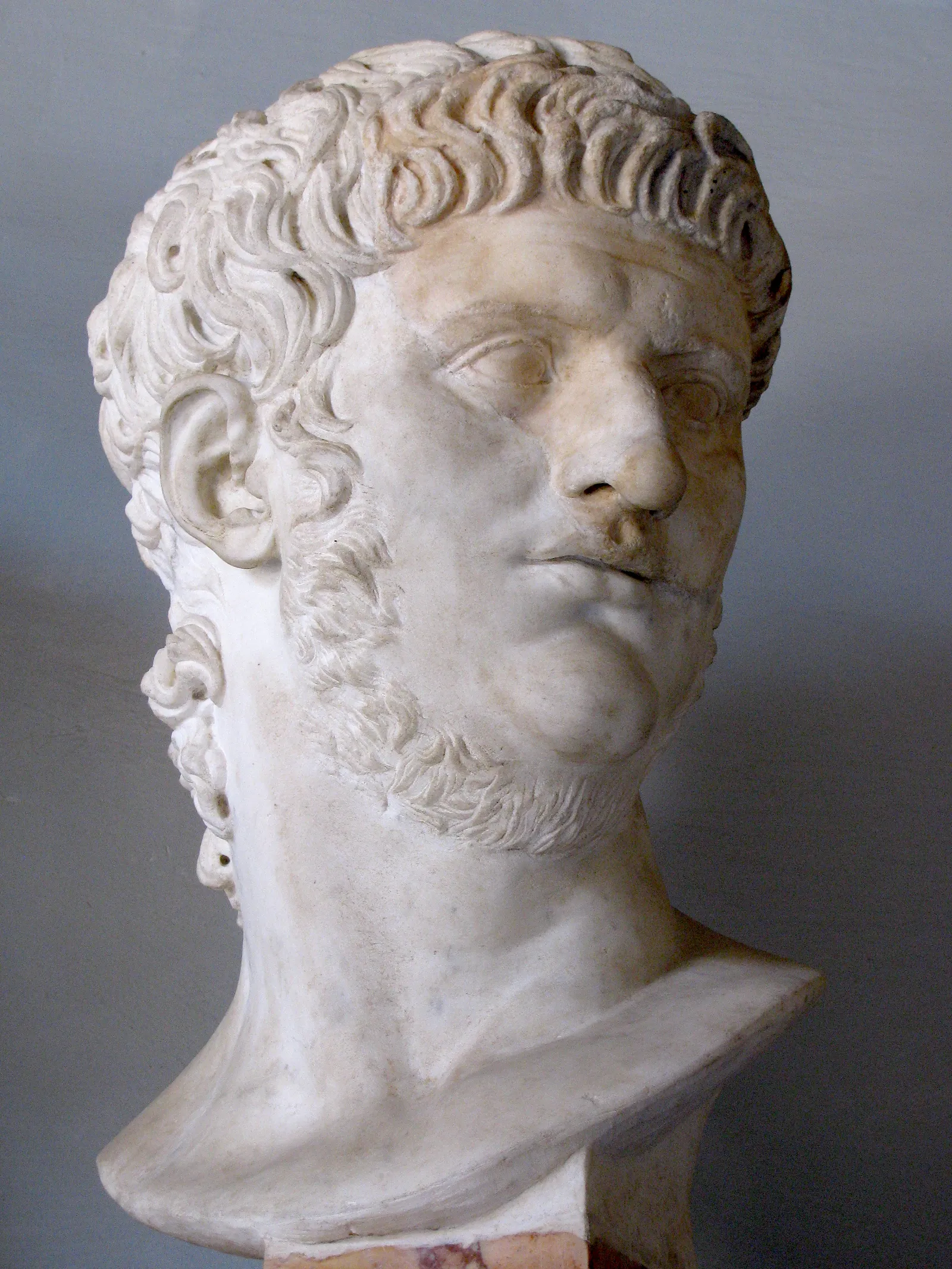
the fire that razed the capital of the world for almost a week gave roman history something more than ashes: its first great scapegoat.
it happened on a day like today, 19 july in the year 64 of our era. we know the date thanks to a very roman detail: tacitus noted that the fire caught on the same day on which, centuries earlier, the gauls had burned rome. it began among the shops surrounding the circus maximus, ran out of control with the dry summer wind, and devoured the wooden neighbourhoods where the plebs were packed together. of the city’s fourteen districts, three were reduced to ashes and another seven left badly damaged; only four came through intact. and when it already seemed beaten, the fire caught again and burned for a few more days.
tacitus, writing half a century later, records the rumour we have all inherited: that nero himself ordered the fire to clear the ground for his pharaonic domus aurea, the “golden house” he would raise over the ruins, with its artificial lake and its colossal statue. today historians doubt it, and the facts help explain why: nero was at his villa in antium when the fire began; on his return he opened his gardens to the victims, had grain brought from ostia and lowered its price; and afterwards he legislated wider streets, porticoes and stone instead of wood, so that rome would not burn like that again. suetonius and cassius dio, less cautious than tacitus, take the rumour as settled fact; and from there comes the now indelible image of nero reciting verses on the fall of troy while the city burned.
cornered by the rumour, the emperor needed a culprit.
he found it in an eastern sect rome already regarded with suspicion: the christians. in describing them, tacitus leaves one of the oldest pagan mentions of “the christ” — and the first to record his execution under tiberius by the governor pontius pilate. the punishment was designed as spectacle: the condemned were covered with the skins of wild beasts so that dogs would tear them apart, were crucified, or were burned alive, like torches, as night fell.
and here comes the serious historiographical caveat. it is the first repression of christians of which we have any record, and almost everything we know of it fits within a single passage of tacitus: no other author of his century tells it. so much so that some modern historian — brent shaw, in a celebrated article — has come to doubt that the persecution happened as it has been handed down to us. most accept the core of the episode, but the warning stands: a single witness, writing fifty years later, sustains on his own one of the most famous scenes of ancient history. not even the fire’s death toll has reached us: no source gives it.
the ending carries the usual bitter irony. rome was rebuilt over the ashes, wider and more of stone. the domus aurea barely outlived its owner, and over its artificial lake, by then drained, another dynasty raised the colosseum. the only thing that fire left standing was a handful of people executed to bear a guilt that, perhaps, belonged to no one.