

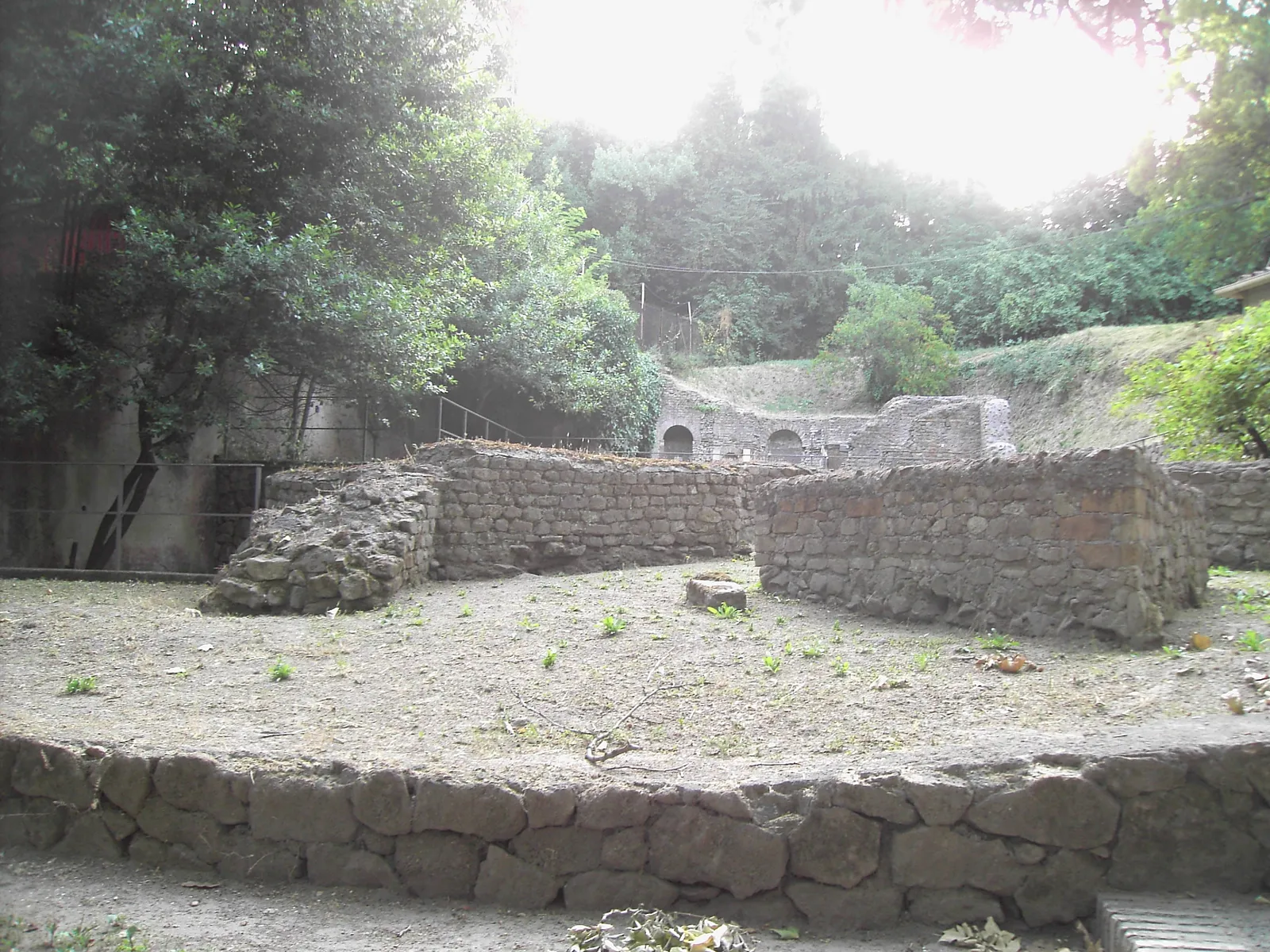
in ancient rome there was an official feast day dedicated to a goddess of whom no one remembered absolutely anything any longer.
it happened on a day like today, every 25 july. rome halted part of its activity to celebrate the furrinalia, the public feast of the goddess furrina — one of the feriae publicae, the fixed festivals of the state’s official calendar. and it was no minor neighbourhood cult: it had its own sacred grove on the janiculum hill, across the tiber, and even a priest dedicated exclusively to it —a minor flamen, one of the twelve who, together with the three major flamines, tended to the city’s oldest and most obscure divinities—. the trouble is that, by the late republic, almost no one knew who furrina was or what she was to be thanked for.
we know this from a first-rate witness. the scholar varro, in his treatise on the latin language, set down that in his day scarcely a handful of people could even pronounce the goddess’s name, and that no one any longer remembered what she was goddess of. and yet —he added— in ancient times her honour had been great: there was a reason annual rites and a priest of her own had been assigned to her. some believed her a deity of the waters, because of the spring that welled up in her grove; others, of the underworld. her true nature had been erased from the memory of rome itself.
rome preferred to pay for the cult of an empty name rather than risk offending, through carelessness, a forgotten god.
that fog left a sinister mark. some ancient sources went so far as to call her grove “the grove of the furies”, confusing furrina with the goddesses of vengeance because of the resemblance of the name. and it was right there, in that corner of the janiculum, that in the year 121 before our era one of the most bitter stories of the republic came to an end: gaius gracchus, cornered after the slaughter of his supporters, crossed the tiber with his enemies at his heels —plutarch relates that his last two friends stayed behind, on the bridge, selling their lives to buy him a few metres— and ordered a trusted slave to finish him off. the goddess no one remembered gave her name to the place where the last of the gracchi died.
the historiographical nuance here is almost a hall of mirrors: the main source on furrina is, precisely, a confession of ignorance. the little that the moderns —from wissowa onward— manage to reconstruct points to an archaic deity, most likely tied to the water of her spring; the “grove of the furies” business is folk etymology, not theology. of almost no roman god do we know so little; of almost none, on the other hand, do we know with such precision how much had already been forgotten in antiquity.
and even so the feast went on being celebrated, year after year, paid for by the state. in a city governed by ritual, it was better to honour a ghost than to provoke one. two thousand years later, oblivion has closed the circle: the only thing almost everyone remembers about furrina is that the romans themselves already did not remember her.