

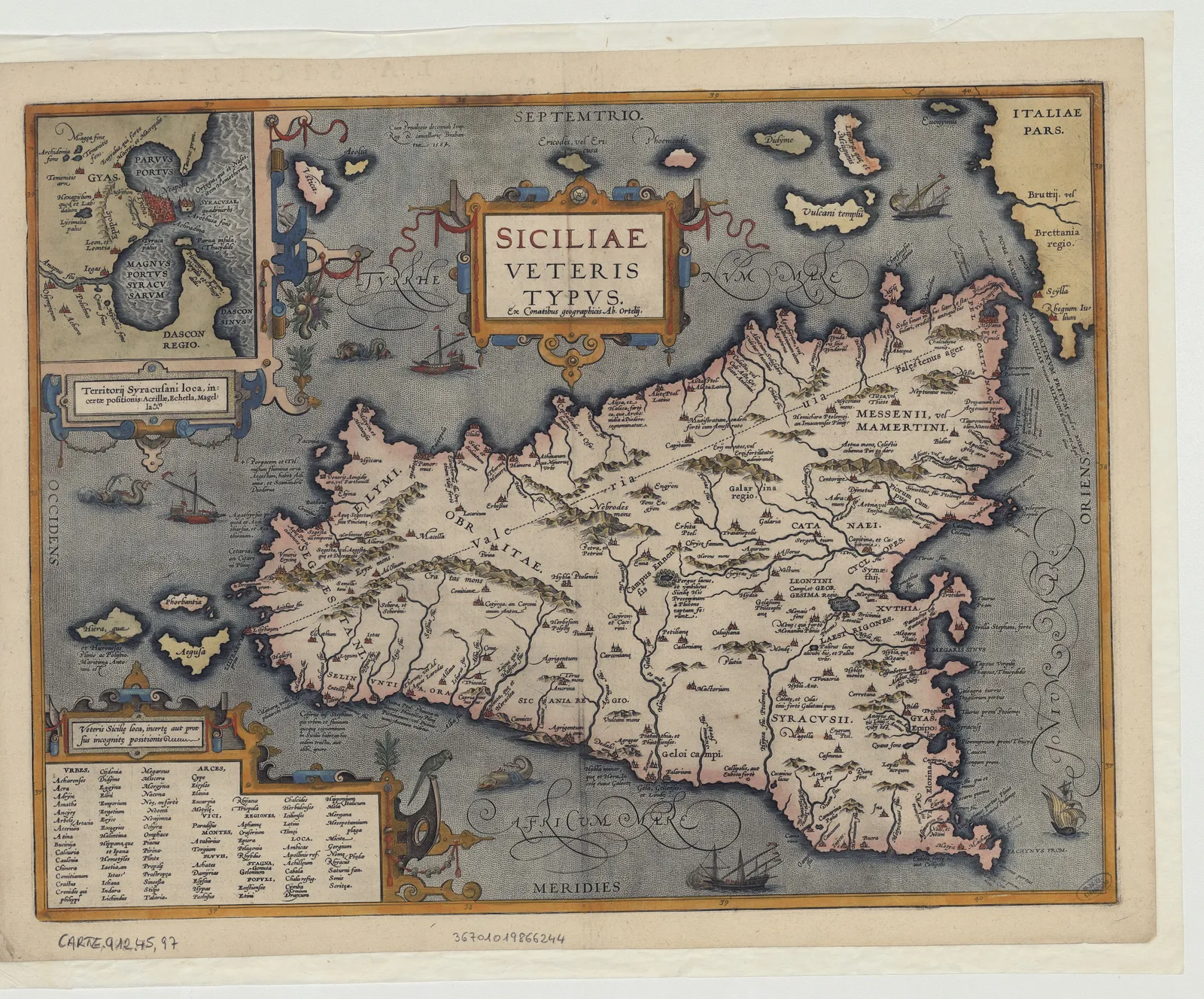
to end a twenty-four-year war, rome imposed on carthage a peace so suffocating that the only thing it guaranteed was the next one. the line works, and it is very nearly true. what usually gets lost is that the treaty rome imposed was not the one its own general had negotiated.
the year is 241 before our era. the war was decided at sea, off the aegates islands, and not in the mountains: hamilcar barca had spent years sustaining a war of attrition from mount eryx without the romans dislodging him. and in polybius the initiative does not come from carthage: with fortune reversed and no reasonable prospect of saving his troops, it is hamilcar who sends an embassy himself to treat for peace. the consul gaius lutatius catulus agreed to negotiate at once.
the terms polybius transmits are devastating. carthage was to evacuate the whole of sicily; to make no war on hiero nor on the syracusans and their allies; to give up every prisoner without ransom; and to pay two thousand two hundred euboean talents over twenty years. that text never became the treaty. the roman people refused it and sent ten commissioners to examine it; the ten did not touch the substance: they halved the term, added a thousand talents to the indemnity and demanded that carthage evacuate all the islands lying between sicily and italy. when polybius lists the clauses again in book three, the detail that explains the stranglehold appears: two thousand two hundred talents over ten years and a thousand talents at once.
the treaty the general negotiated was not the one rome imposed: the people sent it back a thousand talents dearer and with half the time to pay.
and with sicily rome crossed a frontier it would never recross: the island did not join the italian confederacy as one more ally but as territory to be taxed. cicero put it two centuries later: sicily was prima omnium… provincia est appellata, the first of all to be given the name of province. one thing popular history tends to trample deserves a qualification: there was no governor, no capital and no land register in 241. provincia still meant a magistrate’s sphere of command, not a map; the two new praetors —one for sicily, one for sardinia and corsica— are not created until 227, and even that date is disputed; and hiero’s syracuse remained an allied kingdom, protected by the treaty itself. what is born in 241 is not an administration: it is the habit of treating what is conquered as a source of revenue.
the other thread of this date is the most famous and the most fragile. around 237, four years and a civil war later, as hamilcar was about to set out with his army for spain, he was sacrificing —polybius writes— to zeus, and called his nine-year-old son to ask whether he wished to go with him. the boy said yes. hamilcar led him to the altar, made him lay his hand on the victim and swear that he would never be a friend of the romans. it is worth knowing what the scene rests on. polybius did not hear it from hannibal, as is sometimes repeated: he writes that hannibal told it to antiochus iii decades later, in exile, and by that route it reaches the histories. nor is it the only version: livy tells it with a different oath —to be an enemy of the roman people as soon as he could, not merely never to be their friend—. nor is the god called baal in the text: polybius writes zeus, and the identification with melqart or baal hammon is our reconstruction, reasonable but ours.
now the historiographical qualification, not to be skipped. almost everything we know about these years comes from polybius, who writes a century later with barcid material from a tradition close to the family. what is disputed today is not the scene at the altar but what is made to follow from it: turning a child’s oath into the political programme of a dynasty is a reading built backwards, from a war that had not happened yet. what is verifiable is more prosaic. a thousand talents payable at once left carthage without a treasury just as the thousands of mercenaries who had fought for it in sicily were coming back to africa in 241, owed years of pay. and the barcid grievance would soon add sardinia, torn away in 238. sicily, meanwhile, was beginning its other life: the one cato would sum up by calling it cella penaria rei publicae nostrae, the storeroom of rome.