
rome won its first great victory at sea by refusing to fight at sea. if it could not win by manoeuvring, it would make manoeuvring unnecessary: a boarding bridge tipped with an iron spike, bolted to the bow, that pinned the two ships together and turned a naval battle into the one thing rome did better than anyone.
the debut had been humiliating. the year is 260 bce and the consul gnaeus cornelius scipio pushed ahead with seventeen ships to lipari, where the carthaginian squadron bottled him up in the harbour and took him with his vessels intact, almost without a fight. he carried the nickname for the rest of his life: asina, the she-ass. command passed to the other consul, gaius duilius.
facing him was the punic fleet with a century of craft behind it: faster ships, crews able to sweep around an enemy and shear off his oars in passing. they came on in loose order, certain this would be a hunt. what they did not know was what the romans had mounted on their bows.
if you cannot win a naval battle, stop fighting a naval battle.
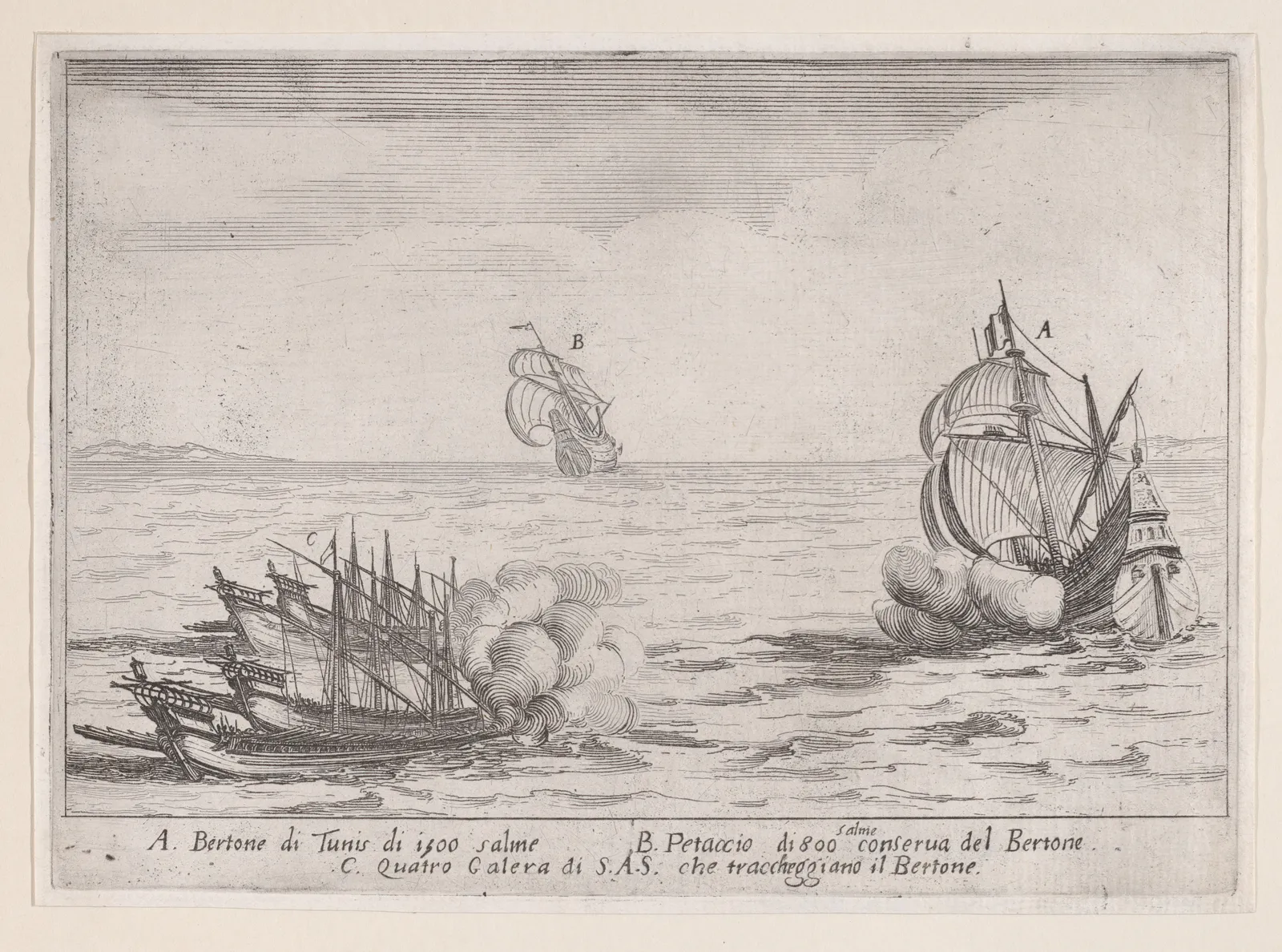
the device was called the corvus, «raven». polybius describes it with the precision of a manual: a gangway some ten metres long pivoting on an upright post, with a heavy iron spike at the end. when an enemy ship came close enough, the bridge was dropped and the spike drove through her deck. the two hulls were stitched together. and across that gangway came the legionaries, shields first.
carthage had no answer. her ships were built to ram and withdraw, not to receive heavy infantry on board. polybius says that at mylae the ravens caught between thirty and fifty punic ships, including the flagship of admiral hannibal gisco —the same man who had escaped from acragas—, who abandoned his vessel and fled in a boat. the rest of the fleet withdrew.
rome marked the victory with a monument that said exactly what it meant: a column in the forum crowned with the bronze rams torn from the carthaginian ships, duilius’ columna rostrata. of the original inscription an imperial-era copy survives, heavily restored, still one of the oldest witnesses to monumental latin.
now the caveat, because the corvus has a poor reputation among modern scholars. polybius is the only source that describes it in detail, and his description raises a serious physical problem: a device of that weight mounted on the bow shifts the centre of gravity exactly where it does most harm, and several roman squadrons were later lost in storms with casualties hard to explain by weather alone. hence the corvus vanishes from the narrative a few years later without any source saying why. lazenby and miles agree that it worked as long as carthage had no counter to it, and that rome dropped it once its crews had genuinely learned the trade.
what mylae proved was not naval superiority but something more uncomfortable for carthage: that a century of technical advantage could be cancelled by a cheap idea and a piece of iron. rome no longer ruled only italy; it was laying claim to the sea. and with that freshly minted confidence it would consider the unthinkable —carrying the war to africa—, for which it first had to survive the largest naval battle on record.