

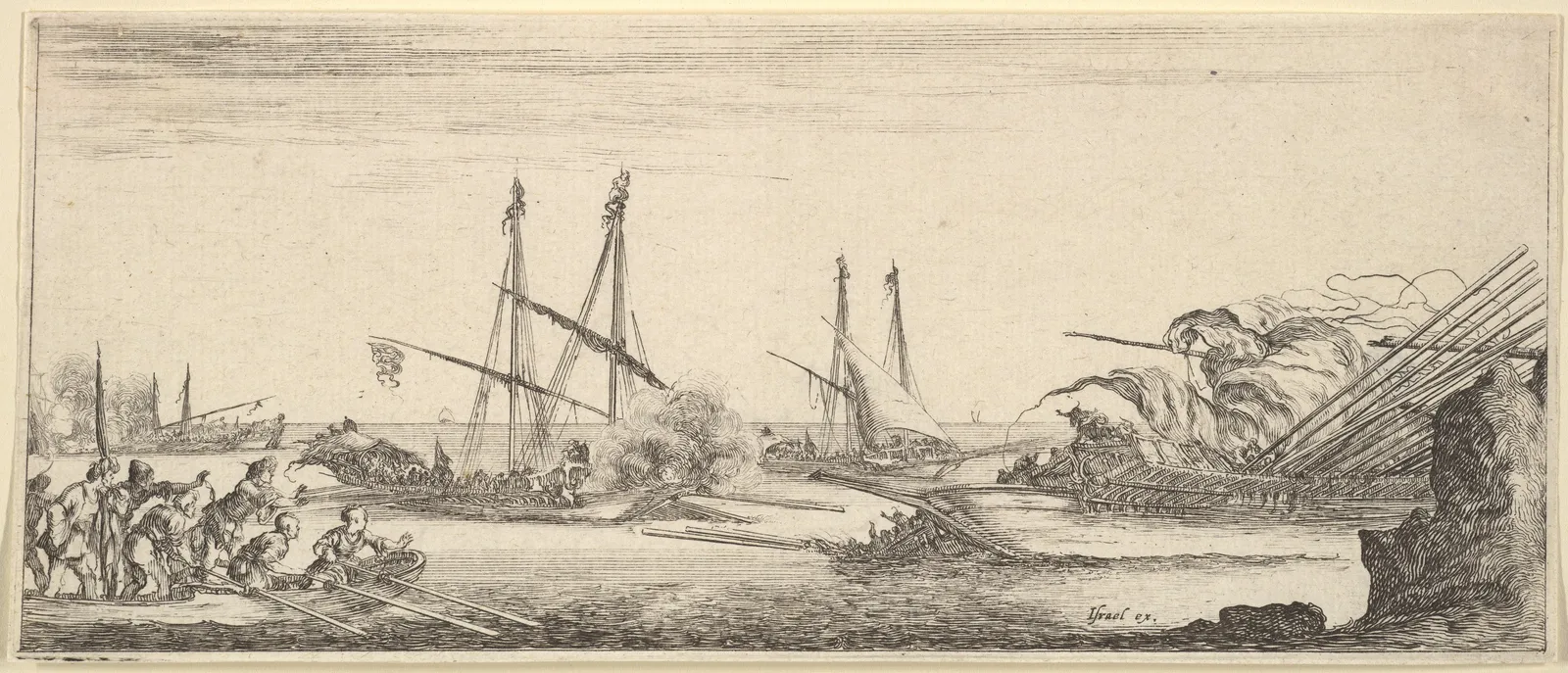
six hundred and eighty warships manoeuvring at once off the southern coast of sicily. if the figures that have reached us are anywhere near right, cape ecnomus was the largest naval battle of antiquity and probably the largest in history by number of combatants afloat.
the year is 256 bce, four years after mylae. rome had understood that winning in sicily did not end the war and took the boldest decision of its history so far: cross the mediterranean and invade africa, strike carthage at home. it gathered a fleet of some three hundred and thirty ships, loaded the landing legions aboard and turned south.
carthage could not allow it. her fleet, around three hundred and fifty ships, intercepted the romans near cape ecnomus and deployed in a long line meant to outflank the enemy at both ends and cut him off from the heavy transports he was towing. polybius gives the figures: some one hundred and forty thousand men on the roman side and about one hundred and fifty thousand on the carthaginian, counting rowers, sailors and embarked troops.
carthage did everything a good admiral should do. and lost anyway.
the consuls marcus atilius regulus and lucius manlius vulso advanced in a wedge, a triangle aimed at the centre of the punic line, with the transports shielded behind. the carthaginians then executed a textbook manoeuvre: the centre feigned withdrawal to stretch the roman point and separate it from the rest, while the wings closed on the flanks and on the supply ships. the battle broke into three simultaneous engagements, separated by kilometres of open sea.
and it failed for the same reason as before. when the punic centre turned to envelop the roman point, it had to close; and closing with a roman ship still meant taking a corvus through the deck and a file of legionaries walking across it. the ships caught did not sink: they were boarded and taken. rome captured and destroyed close to a hundred enemy vessels and lost very few of her own.
it is worth saying what these figures are. they come almost entirely from polybius, writing a century later through roman sources, and modern scholarship debates them closely: lazenby regards the combatant totals as plausible in order of magnitude but probably high, and holds that the reconstruction of the wedge —so geometric, so legible— is more explanatory scheme than description of what actually happened across a sea full of smoke and broken hulls. what is not in doubt is the outcome, or the scale.
the road to africa lay open. the legions landed shortly afterwards on carthaginian soil, under a consul convinced the war was already won. what followed is one of the most expensive lessons in roman history: that of a man who mistook a victory for an entitlement.