

ten years after helping rome against queen teuta, demetrius of pharos sailed his ships across the line that the treaty of 228 forbade the illyrians to pass. in 219 before our era, the consul lucius aemilius paullus crossed the adriatic, took his fortress in seven days and wrested the island from him with an ambush. almost everything we know is told by polybius, who writes decades later and has no sympathy whatever for the man.
demetrius had been teuta’s man in corcyra, in command of the illyrian garrison. polybius relates that, the target of accusations and fearful of teuta, he offered to hand the city over to the romans with everything in his charge, and that afterwards he served them as a guide. the reward, according to the same polybius, was great: the consuls left most of illyria under his command and made him a powerful lord. appian, who is later, cuts it down to a few strongholds, handed over on the express condition that the grant was revocable, because the romans already distrusted him. the video settles between the two versions: his island, pharos, and a piece of illyrian territory. arthur m. eckstein sums it up like this: the greatest threat to the autonomy of the greek cities of the adriatic in the twenties came not from rome but from the growing power of demetrius.
polybius portrays him thus: forgetful of the favours he had received, he despised rome for the danger it was in, first from the gauls and now from carthage; he had pinned his hopes on the royal house of macedon, at whose side he had fought against cleomenes of sparta, and he devoted himself to plundering the illyrian cities subject to rome. that he dared because he saw the republic with its hands tied is the source’s reading, not a calculation we can check; appian gives the same explanation and adds that he dragged the histri along and detached the atintanes from rome. in 220 he sailed south of lissus against what had been agreed. polybius’s book iv puts a name to the video’s «other illyrian chieftain»: he set out with scerdilaidas and ninety lembi, the light ships of the illyrians, failed before pylos and then, with fifty, ranged through the cyclades. here polybius does not say the same thing twice: in book iii he plunders «many» of the islands; in book iv, he plunders or holds to ransom «some». the return was not glorious: the rhodians put to sea against him. eckstein recalls that the illyrians had never come that far and that polybius counts the raid as a complete violation of the treaty in both passages; some scholars suspect that demetrius was working on macedon’s behalf.
demetrius was not beaten in a pitched battle: he was beaten by a fortress everyone thought impregnable and twenty ships that looked like too few.
the roman reaction came, says polybius, just before the summer of 219, the first year of the 140th olympiad. the senate wanted to secure the lands east of italy before the war with carthage and believed it had time; hannibal took that time away by capturing saguntum. demetrius sent a strong garrison to dimale, eliminated his opponents in the other cities and gathered six thousand of his best men on pharos. aemilius saw that the enemy trusted in dimale, which passed for impregnable, and attacked it first precisely to spread terror: he raised batteries at several points and took it in seven days. from every city, polybius relates, they came to surrender unconditionally.
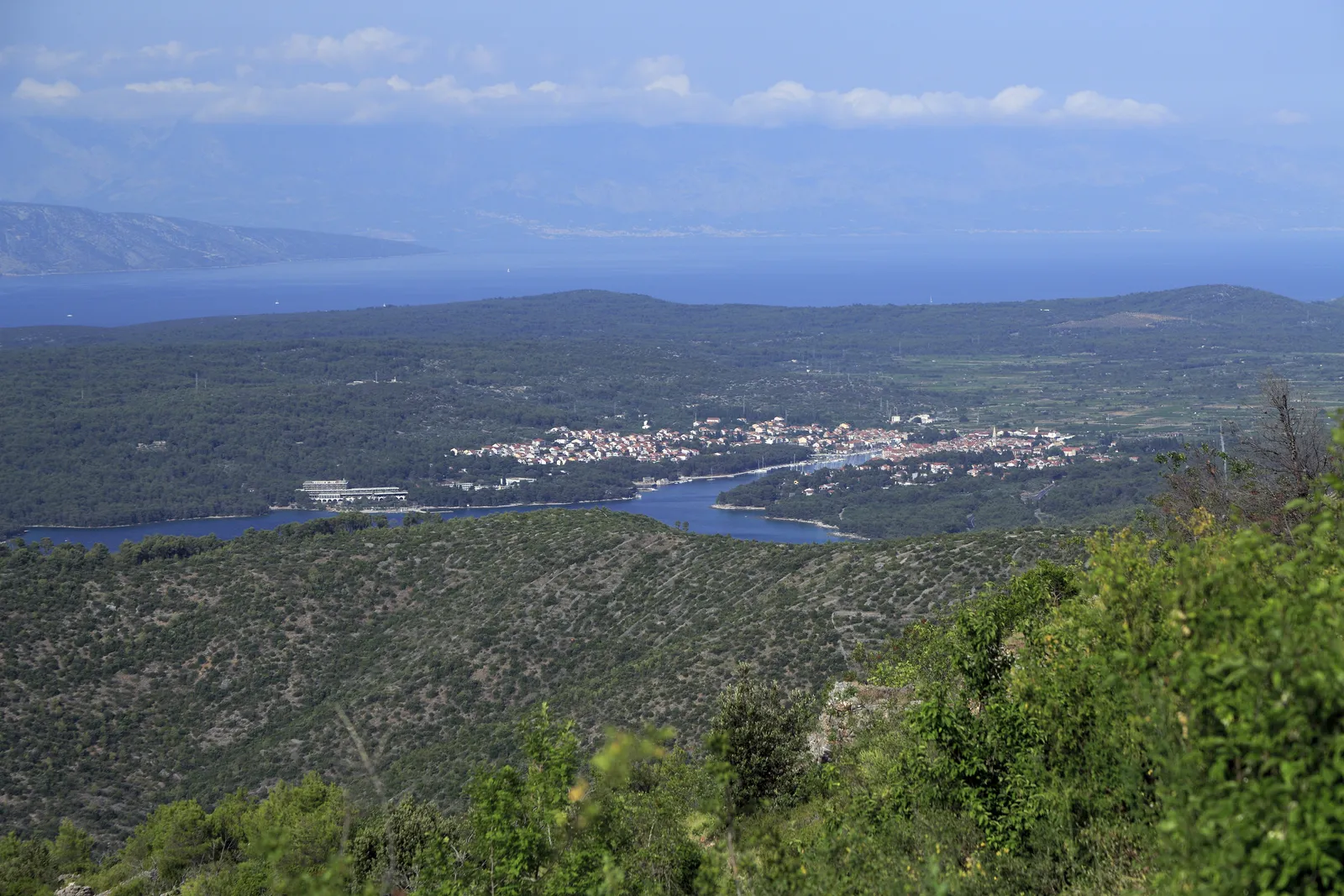
pharos was another matter: well fortified, well supplied and held by picked troops, it threatened a long siege. aemilius sailed to the island by night, landed the bulk of his army in some wooded ravines and at dawn appeared before the harbour with twenty ships. demetrius, scorning their number, came out to prevent the landing, and behind him the whole garrison gradually followed. the hidden troops arrived by a concealed path, occupied a steep hill between the city and the harbour and cut the illyrians off from their walls; attacked from the front and from behind, they scattered. demetrius had boats ready in an out-of-the-way spot, embarked at nightfall and made his way to philip v of macedon. aemilius took pharos by storm, razed it and returned to rome at the end of the summer to celebrate his triumph. the periocha of livy’s book xx dispatches the campaign in a single line: the illyrians, in revolt again, were subdued.
the end of demetrius also comes in two versions. polybius says he spent the rest of his life at philip’s court and died in a reckless attempt to take messene; appian, that he went back to the adriatic to raid and that the romans killed him and razed pharos. what polybius does record is his influence. in 217, when news of the great roman defeat in etruria reached philip, the only person he showed the letter to was demetrius, and demetrius advised him to rid himself of the war in greece, turn towards illyria and, after that, towards italy: the first step, he told him, towards dominion over the world. aemilius paullus’s victory takes up two chapters of the histories; the man who escaped him in a boat ended up as adviser to the king of macedon. and while rome was clearing its eastern flank, in hispania a carthaginian family had spent almost two decades gathering silver and soldiers.