

with the most feared enemy in its history loose across italy, rome responded with an extraordinary idea: it ordered its citizens to dress in their finest and hold a festival.
it happened on a day like today, 5 july of the year 212 before our era. rome had been bleeding for years. hannibal barca had annihilated one army after another on italian soil —his worst blow, cannae, still weighed on them like a slab— and the city’s morale was broken. capua, the second city of italy, had gone over to the carthaginian side after the disaster, and every spring brought the same question: what would fall next. in that climate the carmina marciana came to light, prophetic verses attributed to a seer named marcius. one of them —so the story went— had foretold the disaster of cannae. the other prescribed the remedy: to found games in honour of apollo, the ludi apollinares. the senate, before committing itself, sent the decemvirs to consult the sibylline books, the official prophecies of the state. and the books ratified the remedy.
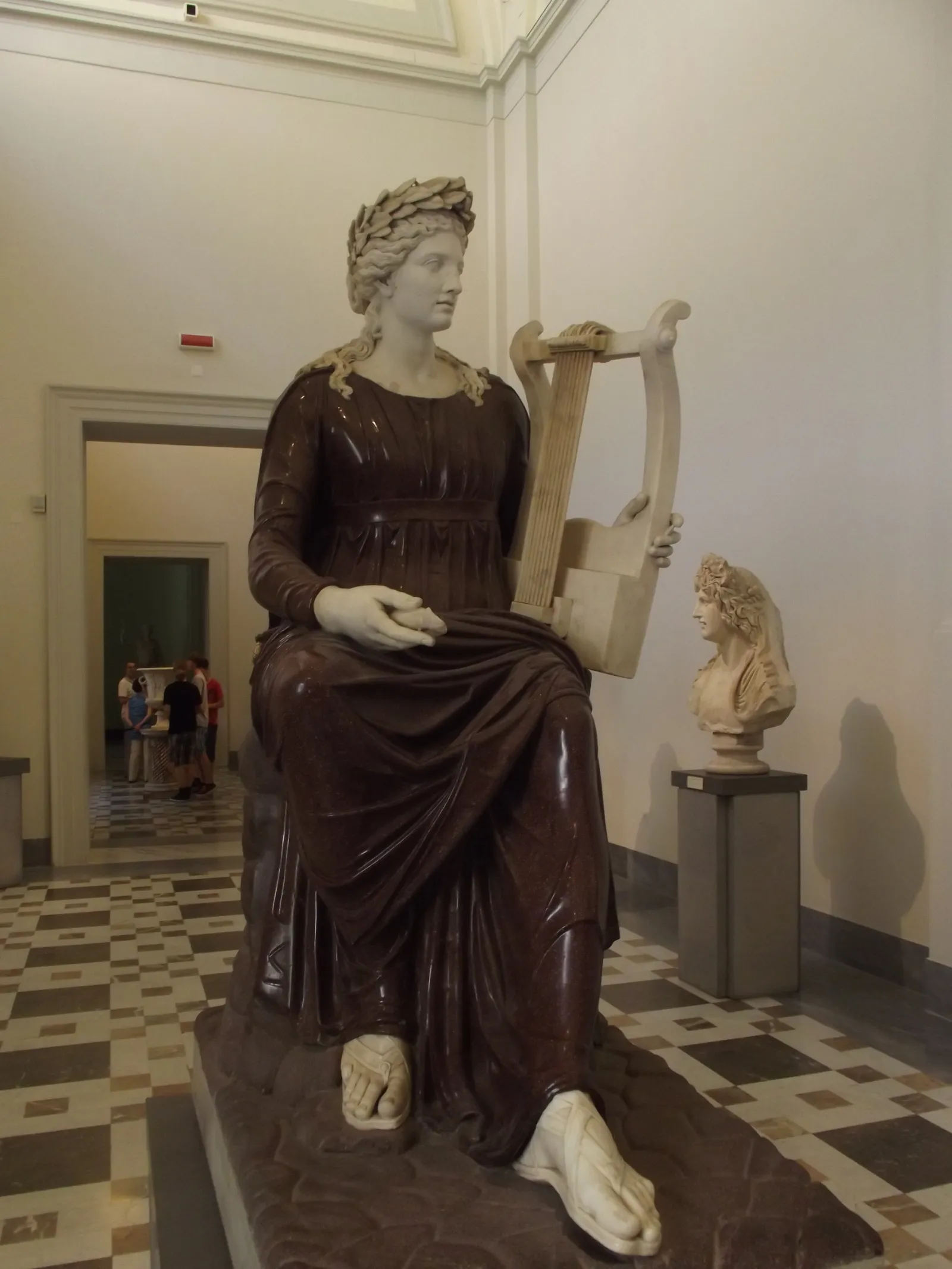
apollo was not a random choice. rome venerated him as god of prophecy and, above all, of healing: his only temple in the city had been raised more than two centuries earlier, against a plague. he was exactly the patron a people needed as it sought to heal from war. the urban praetor —the magistrate who administered justice in the city— held the first games, and this was no quiet prayer: whole days of chariot races and theatre paid for by the state, with the people garlanded and obliged to celebrate in public.
to go on celebrating was also a way of showing no fear.
the test came a year later. in 211, hannibal marched at last on rome. he did not come to storm it —he still had no siege engines— but as a feint: rome had laid siege to capua to punish its desertion, and hannibal wanted to force the legions strangling it to release their prey. he rode with two thousand horsemen up to the colline gate, in full sight of the walls. and livy tells that, while the alarm spread and men ran to the ramparts, the games of apollo did not stop. the city did both things at once: to garrison the walls and to sustain the festival.
now, the usual historiographical caveat. a prophecy that ‘announces’ cannae and comes to light just after cannae smells of exactly what it seems: historians call this prophecy post eventum, the retroactive validation of a conveniently timed text. we will never know how much political theatre lay in the discovery: a senate that needed to give hope found, very conveniently, a text that ordered it manufactured. livy, moreover, writes almost two centuries later. what is beyond doubt is the institutional part: the games were held, they were repeated, and in 208, in the wake of a plague, a law fixed them forever on a date in july, year after year.
the games outlived hannibal and the very republic that founded them as an emergency remedy. because they were not a simple distraction: they were the way to convince itself that apollo was still on rome’s side. and as long as they believed it, no roman was going to surrender. the conclusion allows little argument: carthage had the best general in the world; rome had a calendar of festivals. the calendar won.