

rome’s first great siege outside italy ended in a crushing victory that, without anyone quite realising it at the time, revealed to her why she still could not win the war. it is the year 262 before our era. having secured messana, rome decided to strike at the heart of carthaginian power in sicily: acragas, one of the largest and richest cities on the island.
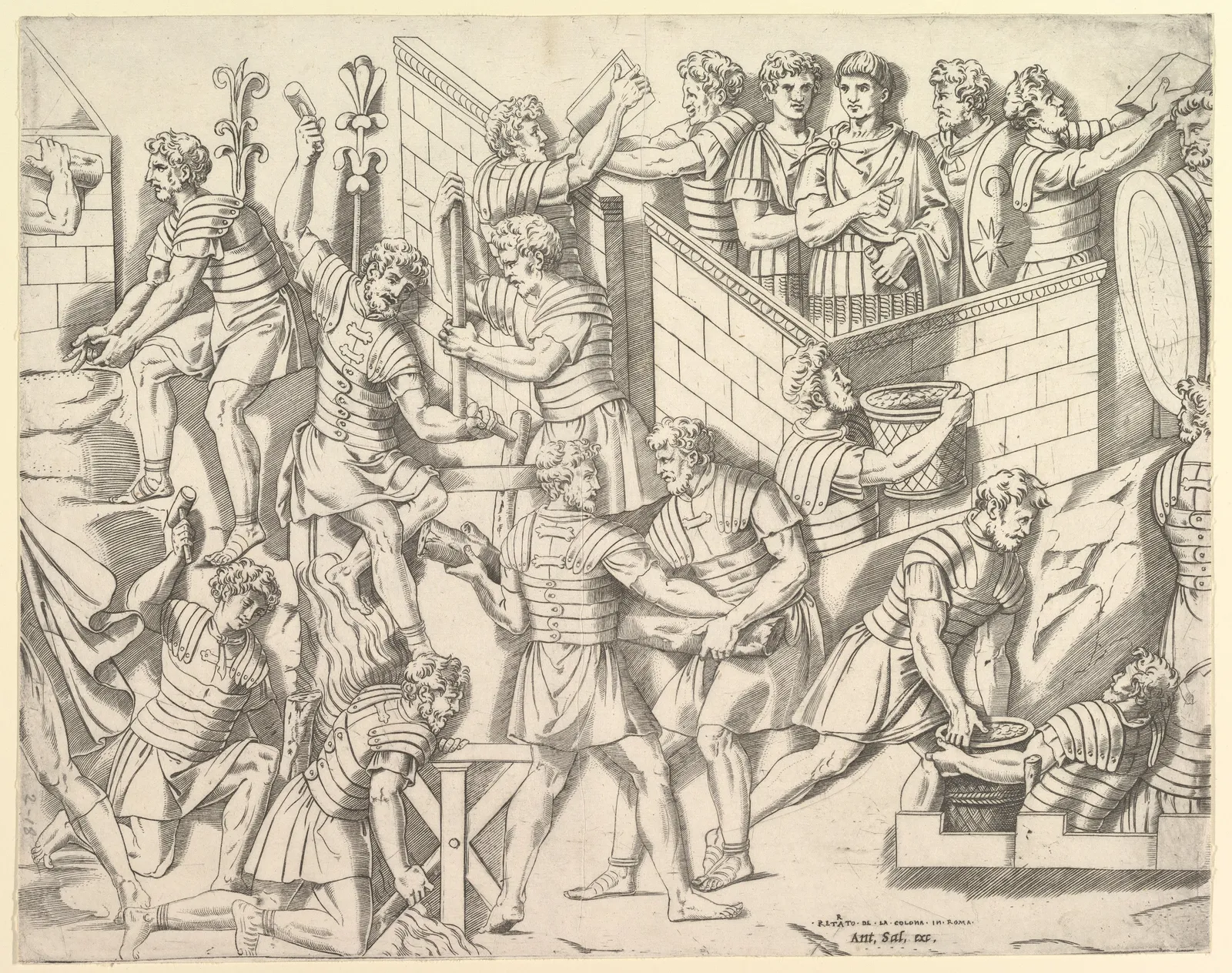
two consular armies — forty thousand men in total, according to polybius — surrounded the city and dug circumvallation lines with the aim of starving it into surrender. it was no quick assault: the siege dragged on for months and stretched well into the following year, with the legions digging trenches and ditches around a city that had no intention of surrendering easily.
and here polybius details an uncomfortable reality that the epic of the siege tends to overlook. while the romans sweated in the dirt, digging and running short of supplies, the carthaginian navy dominated the sea unopposed: it resupplied the besieged city by ship whenever it suited them and harried at will the italian supply lines on which the besiegers themselves depended. rome held the siege by land; carthage held the sea, and with it, the final word on how long acragas could hold out.
the legions knew how to crush anyone on land. but without a navy, carthage was invincible.
the siege became unsustainable for both sides at once. carthage, determined to break the encirclement, sent a relief army led by the general hanno, reinforced with close to fifty war elephants. the romans, starving and exhausted after months in the trenches, came out into open ground and smashed the carthaginian forces in a brutal frontal clash. the city fell soon after: the legions sacked it and, according to diodorus siculus, sold twenty-five thousand of its inhabitants into slavery.
but the massacre concealed an escape that belied the total victory. the punic garrison still holding out within the walls, commanded by an officer named hannibal — a homonym much earlier than the famous hannibal barca, and not to be confused with him — used the night to fill the roman siege ditches with straw, silently break through the circumvallation lines and escape overland with a good part of his men intact. rome had won the city; it had not caught the enemy.
now the historiographical nuance, which it is best not to skip. the account that has come down to us depends almost entirely on polybius, written generations later with a declared sympathy for rome, and on the fragments of diodorus siculus, later still and incompletely transmitted. goldsworthy notes that the figure of twenty-five thousand enslaved, though plausible for a city the size of acragas, comes from a tradition that tended to inflate the numbers of punishment inflicted on the enemy in order to underline roman severity toward a city that had resisted. what no source disputes is the strategic lesson the episode left behind, and that is the one that truly matters.
the consuls looked at the sea and understood the bitterness of the calculation: the legions could crush any army carthage put in front of them on dry land, but as long as the western mediterranean remained a carthaginian lake, no victory on land would be final. sicily was an island, and carthage controlled the waters around it. rome, a power that barely a year earlier had crossed the strait in borrowed ships, was going to have to build her own war fleet from scratch — and, according to tradition, copying the design of a wrecked carthaginian quinquereme that had fallen into her hands almost by accident.